![]() |
![]() |
|
|
Safety of Water Bottles
For more than 100 years, plastic products have revolutionized the way we live. Polyethylene terephthalate, or PET, is a particularly notable example. Because it provides an excellent barrier against oxygen and carbon dioxide.
|
Safe consumer use
FDA Review and regulations
Tested by SIRIM QAS
Safe for repeated use
Nontoxic and pose no threats
|
|||
![]() |
![]() |
|||
|
What is water bottle?
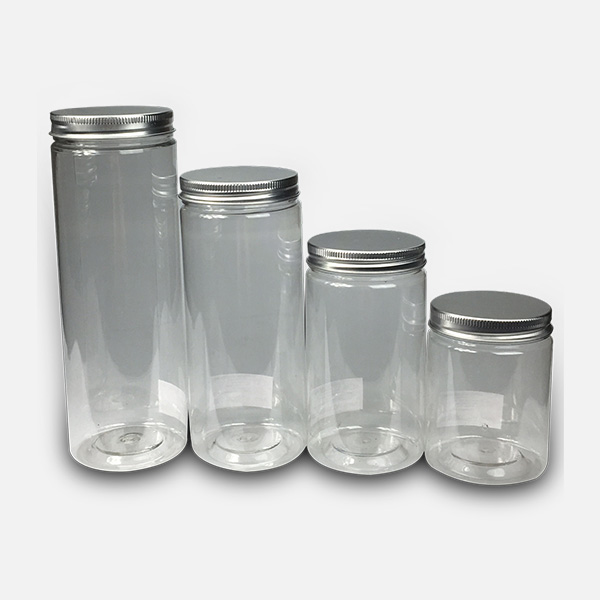
Water bottle is but one of thousands of beverage and food products packaged in plastic and satisfies consumer demands for the safety and convenience of packaged food and drinks. All plastics(and other materials) intended for contact with foods or beverages, including water bottle, are regulated by FDA to help assure their safety. The materials used in all water bottle containers are shown to be safe through extensive laboratory testing. FDA comprehensively regulates the safety of food, including water bottle, by carefully reviewing food and beverage packaging materials before allowing them on the market. As part of its review, FDA assesses the migration potential of plastics and the substances with which they are made. FDA allows food-contact plastics for their intended use based on safety data. The process includes stringent requirements for estimating the levels at which such materials may transfer to the diet. FDA's safety criteria require extensive toxicity testing for any substance that may be ingested at more than negligible levels. This means FDA has affirmatively determined that, when plastics are used as intended in food-contact applications, the nature and amount of substances that may migrate, if any, are safe. Click here to find out more resources and water bottle products Water Bottle Types (PET, #1)
|
|
|